
Blog Oak Engage Vs Happeo: Finding the perfect intranet Last updated: June 23, 2026 Calculating… Finding the right employee intranet is hard. The market is packed with systems claiming to smash silos and bring teams together, but behind all the marketing buzzwords, most platforms are built for completely different ways of working. In this blog, we’ll be comparing Oak Engage against Happeo. Using independent benchmarks from G2, Gartner, and ClearBox Consulting, we will show you exactly where each vendor puts its energy. Whether you need deep document digging or a warm, mobile-first culture that reaches your frontline, this breakdown will help you make the right choice with confidence. What is Oak Engage? Oak Engage is an award-winning employee app and intranet built to make work easier for everyone. Instead of creating a boring digital filing cabinet where PDFs go to die, Oak focuses on targeted internal comms. We get the right message to the right people without clogging up their working day. We make work easier. Global brands and household names like Five Guys, Burger King UK, NatWest, and Aldi trust Oak to keep their desk-based and frontline teams connected. What is Happeo? Happeo is an AI-driven knowledge hub designed to centralise company info and stop employees from constantly switching between apps. It is built to sync directly with cloud ecosystems, especially Google Workspace. Happeo focuses on indexing scattered organisational files, pairing static resource pages with team collaboration channels to give knowledge workers a single source of truth. Market standings: How do the platforms match up across the industry? When you’re trying to pick a platform, independent analyst reports are great for finding out how software actually performs in the real world. Tech analysts rate Happeo highly for its clean, modern user interface and its powerful search tools. It is regularly recommended for fast-growing, tech-first businesses that live inside cloud document systems and need an easy way to pull files from different cloud applications. On the other hand, ClearBox Consulting’s Intranet and Employee Experience Platforms report ranks Oak Engage as a market leader for keeping businesses agile and getting systems up and running fast: “Their agile approach enables deployments to take place in as little as 48 hours.” ClearBox also highlights the long-term relationship value built by our team, noting that, “Supported by a CSM and wider team they’ll ensure a close productive relationship for the duration of the partnership.” Reviewers also love how simple Oak is to manage behind the scenes, stating: “The user experience was consistently praised by those who responded, where a frequent comment was Oak is simple to use. This extends into the admin experience too.” While Happeo is brilliant for desk-based teams who heavily rely on Google Drive, buyers often note that its frontline mobile tools and social recognition features can feel a bit sparse compared to its desktop search functions. What do real users say? G2 insights and feedback Real customer feedback strips away the corporate spin and tells you what it’s actually like to use a platform every day. G2 crowdsources verified user reviews to give you transparent, side-by-side satisfaction scores. Here is how Oak and Happeo compare across key customer satisfaction metrics on G2: Performance Metric Oak Engage Happeo Quality of Support 96% 92% Ease of Admin / Setup 97% 89% Employee Comms & Engagement 90% 85% According to G2 data, both tools score well for user adoption, but Oak holds a clear lead for easy administration and engagement tracking. While Happeo connects beautifully with Google tools, some admins note that keeping up with complex channel notification settings and granular folder permissions across departments requires a lot of ongoing maintenance. Oak takes the win on support, too. Customers love our direct, hands-on account management model because our team acts as a true extension of their internal comms squad. Happeo users, by contrast, generally go through a standard, tier-based helpdesk. Core feature showdown: Oak vs. Happeo Strategic Focus Oak Engage Happeo Content Editing & UX Intuitive, drag-and-drop building blocks made for non-technical creators. Visual, widget-based layouts built for quick department site creation. AI Capabilities Aria assistant: searches knowledge base and optimises, translates, and distils targeted comms. Deep search across third-party tools; tracks content freshness. Culture & Connection Native peer recognition, custom awards, and short-form “Moments” video streams. Group discussion channels, post voting, and threaded comment feeds. Frontline Accessibility Secure app access via non-corporate emails, role-based push alerts, digital signage. Basic mobile communication; primarily built for desk-bound staff. Ecosystem Match Software-agnostic; bridges Microsoft 365, Workday, and custom HR tools seamlessly. Natively engineered to mirror and sync with Google Workspace environments. 1. Content editing and backend administration If your internal comms team finds it hard to publish updates, your intranet will quickly gather digital dust. Oak Engage: Oak removes the technical headache from publishing, earning a 97% rating for administrative ease on G2. With a simple, smooth drag-and-drop builder, HR managers and comms leads can launch beautiful updates and target specific audiences without waiting for IT approval. Happeo: Happeo uses a structured, widget-based editor that lets different departments run their own information hubs. While this works well for office staff, the design rules can feel rigid, making it tricky to change page layouts if you want to look different from their standard templates. 2. AI capabilities and knowledge discovery Both platforms use AI to help employees find information and write content faster, but they address entirely different workplace challenges. Oak Engage: Oak uses Aria, an integrated AI companion that helps to make work easier. Aria cuts through internal comms fatigue by distilling dense policy documents into scannable briefs, making search smarter so employees can ask questions and find exactly what they need, as well as translating updates instantly to connect global workforces in plain English. It handles the repetitive admin work, freeing you up to focus on strategy and real human connection. Happeo: Happeo handles AI as an enterprise search tool. Its best feature is a deep search engine that hunts across connected external apps like Slack, Jira, Gmail, and Google Drive to pull back quick answers. It also runs an automated verification process to flag old articles so page owners can keep data fresh. 3. Community, connection, and peer recognition Building a strong company culture requires native features that make employees feel valued and heard, wherever they work. Oak Engage: Oak bakes social engagement directly into the core product, rather than hiding it behind expensive add-ons. ClearBox highly rates our conversational timelines, pulse surveys, and community hubs. Oak brings people together with simple recognition tools like ‘Quick Thanks’ and ‘Moments’—a modern, vertical TikTok style video feed designed to grab attention in a mobile-first format. Happeo: Happeo organises social features around “Channels,” which work a lot like popular team chat tools. Employees can start discussions, share links, and vote on ideas. It is highly effective for brainstorming, but it lacks the built-in, gamified peer rewards found in Oak, meaning culture-focused businesses may need to buy separate HR recognition software. 4. Deskless and frontline enablement Reaching employees on factory floors, in retail shops, or in hospitals requires a simple access model that skips traditional corporate IT rules. Oak Engage: Oak treats frontline workers as primary stakeholders. We offer secure app access that doesn’t require a corporate email address or pricey software licenses, helping companies achieve high app adoption rates. Comms leaders can use push notifications and mandatory reads to send urgent alerts or push digital signage to specific stores or regions automatically. Happeo: Happeo provides a clean mobile app for tracking announcements, alerts, and directory lookups on the go. However, because Happeo is fundamentally built for file sharing and cloud drives (like Google Docs), the workflow is optimised for hybrid employees who occasionally check in away from their desks, rather than an email-less frontline crew. 5. Ecosystem compatibility An intranet needs to plug cleanly into the software investments you have already made. Oak Engage: Oak is completely ecosystem-agnostic. It acts as a friendly, unified layer over your whole tech stack, bringing together Microsoft 365 apps, Workday directories, and your own custom tools into one simple corporate homepage. Happeo: Happeo is built from the ground up specifically for Google Workspace. For businesses fully committed to Google’s architecture, it works perfectly. It pulls Google Groups for permissions automatically, indexes Drive folders, and embeds Google Calendars natively. While it can connect to Microsoft 365, its best features are reserved for Google-first setups. Launch timeframes: Rollout and deployment comparison Intranet projects can easily derail your internal IT roadmap if the platform requires months of custom coding or messy data mapping. Oak Engage: ClearBox Consulting consistently praises Oak for its fast, supportive deployment process. Because our architecture avoids unnecessary technical bloat, teams can go live incredibly quickly. When restaurant giant Five Guys faced an operational crisis during platform testing, Oak launched their live system in just 48 hours—helping keep staff informed throughout the emergency and securing a 97% adoption rate. Happeo: Happeo rollouts are generally faster than old-school legacy intranets, taking around 2 to 3 months for a full corporate deployment. It connects quickly to your identity directories like Google Workspace, though cleaning up massive external cloud drive folders for the AI search tool to scan requires some early prep work from your IT team. Customer care: Ongoing partner support Launching your intranet is just the start; internal teams need a reliable partner who stands by them when things get complicated. Oak Engage: Oak uses a highly personalised relationship model. G2 reviews regularly praise our proactive Customer Success Managers (CSMs) and fast technical help for acting as true partners in their success, driving an exceptional 96% Quality of Support score. As ClearBox noted: “Supported by a CSM and wider team they’ll ensure a close productive relationship for the duration of the partnership.” Happeo: Happeo secures a strong 92% support rating on G2. They provide an active user forum, a detailed knowledge base, and standard ticket-based help. Customers find their technical desk highly professional, though mid-sized businesses occasionally note that dedicated, one-on-one account managers are kept for their highest enterprise pricing tiers. Financial value: Pricing and budget predictability Understanding the true cost of ownership saves you from painful budget surprises down the line. Oak Engage: Oak offers clear, predictable pricing frameworks tailored for mid-market and enterprise organisations, focusing on delivering fast time-to-value. By wrapping our social features, video tools, and communication suites together, we prevent unexpected cost inflation when it’s time to renew your contract. Happeo: Happeo uses a tiered, quote-based model based on your user numbers and features (split into Business and Enterprise packages). While it offers great value for Google-reliant companies by cutting down custom web development fees, G2 reviewers note that adding search connectors for external databases or unlocking premium analytics dashboards can change your initial budget calculations if you don’t plan ahead. The verdict: Should your business choose Oak or Happeo? If your organisation lives completely inside Google Workspace and your absolute main priority is clearing up document chaos with a brilliant, cross-platform search tool, Happeo is an exceptionally sharp product that will serve your desk-based staff well. However, if your main business goals are building a connected company culture, engaging frontline or deskless teams who don’t have corporate emails, and driving real peer interaction out of the box, Oak Engage is the standout choice. Oak strips away the corporate tech tax, making digital workplace communication simple and human for everyone. Key criteria for your intranet shortlist Before making your final choice, talk through these core questions with your team: Are we trying to solve a messy document search problem, or are we trying to fix employee connection and alignment? Do our frontline and operational teams have corporate email addresses, or do we need an alternative mobile access model? How much hands-on, strategic help do we want from our vendor after the contract is signed? If your priority leans toward simple, human-centric internal communication, Oak is the platform you’ve been searching for. Want to see how we compare against other tools? Here are our other comparison blogs: Oak Engage vs LumApps Oak Engage vs Zenzap Oak Engage vs SharePoint Oak Engage vs GreenOrbit Oak Engage vs Jostle Oak Engage vs Workvivo Oak Engage vs Unily Oak Engage vs Staffbase Oak Engage vs Haillo Oak Engage vs Blink Get in touch with our team today to find out how Oak Engage can make work feel better for your business.
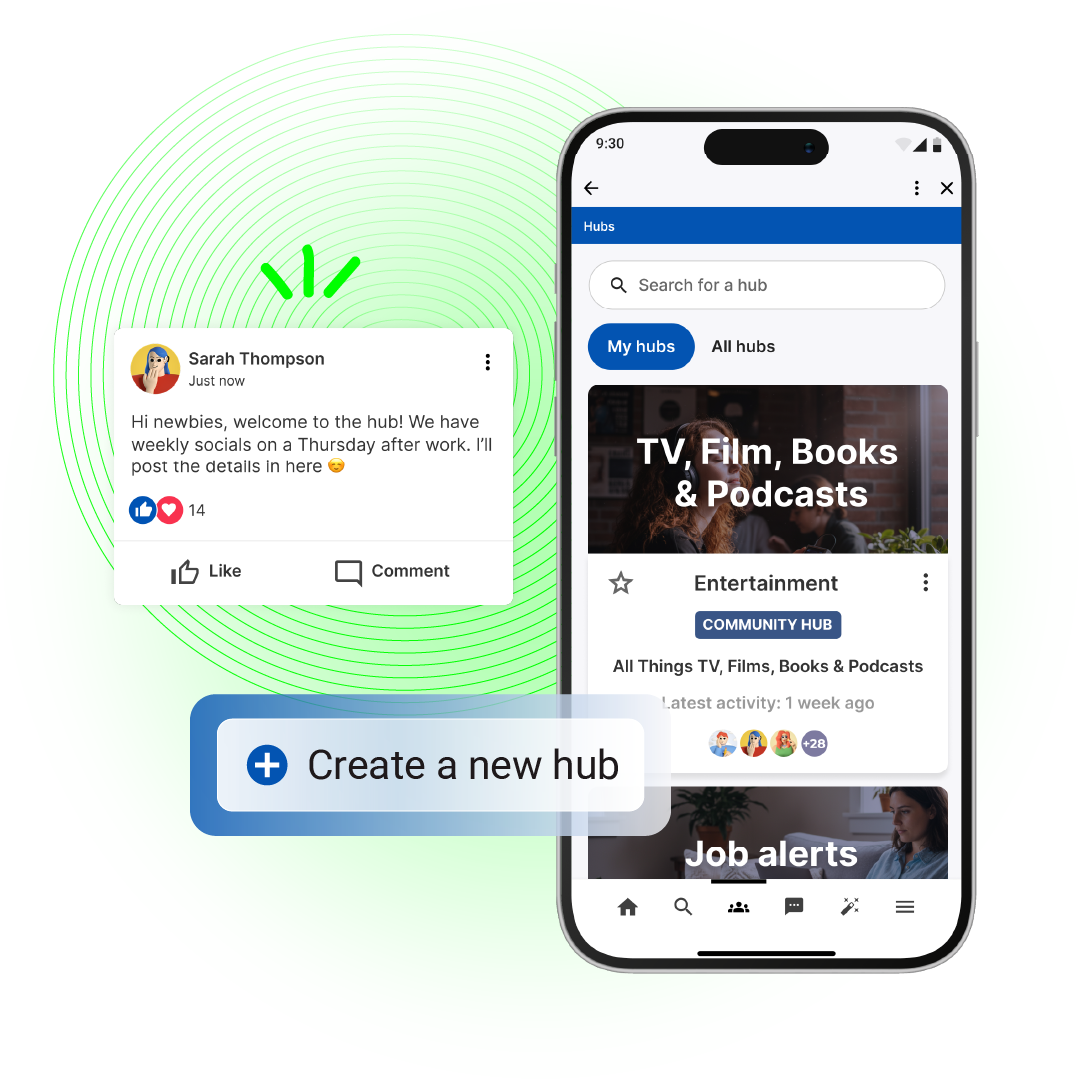

Finding the right employee intranet is hard. The market is packed with systems claiming to smash silos and bring teams together, but behind all the marketing buzzwords, most platforms are built for completely different ways of working. In this blog, we’ll be comparing Oak Engage against Happeo. Using independent benchmarks from G2, Gartner, and ClearBox Consulting, we will show you exactly where each vendor puts its energy. Whether you need deep document digging or a warm, mobile-first culture that reaches your frontline, this breakdown will help you make the right choice with confidence.
What is Oak Engage? Oak Engage is an award-winning employee app and intranet built to make work easier for everyone. Instead of creating a boring digital filing cabinet where PDFs go to die, Oak focuses on targeted internal comms. We get the right message to the right people without clogging up their working day. We make work easier. Global brands and household names like Five Guys, Burger King UK, NatWest, and Aldi trust Oak to keep their desk-based and frontline teams connected.
What is Happeo? Happeo is an AI-driven knowledge hub designed to centralise company info and stop employees from constantly switching between apps. It is built to sync directly with cloud ecosystems, especially Google Workspace. Happeo focuses on indexing scattered organisational files, pairing static resource pages with team collaboration channels to give knowledge workers a single source of truth.
Market standings: How do the platforms match up across the industry? When you’re trying to pick a platform, independent analyst reports are great for finding out how software actually performs in the real world. Tech analysts rate Happeo highly for its clean, modern user interface and its powerful search tools. It is regularly recommended for fast-growing, tech-first businesses that live inside cloud document systems and need an easy way to pull files from different cloud applications. On the other hand, ClearBox Consulting’s Intranet and Employee Experience Platforms report ranks Oak Engage as a market leader for keeping businesses agile and getting systems up and running fast: “Their agile approach enables deployments to take place in as little as 48 hours.” ClearBox also highlights the long-term relationship value built by our team, noting that, “Supported by a CSM and wider team they’ll ensure a close productive relationship for the duration of the partnership.” Reviewers also love how simple Oak is to manage behind the scenes, stating: “The user experience was consistently praised by those who responded, where a frequent comment was Oak is simple to use. This extends into the admin experience too.” While Happeo is brilliant for desk-based teams who heavily rely on Google Drive, buyers often note that its frontline mobile tools and social recognition features can feel a bit sparse compared to its desktop search functions.
What do real users say? G2 insights and feedback Real customer feedback strips away the corporate spin and tells you what it’s actually like to use a platform every day. G2 crowdsources verified user reviews to give you transparent, side-by-side satisfaction scores. Here is how Oak and Happeo compare across key customer satisfaction metrics on G2: Performance Metric Oak Engage Happeo Quality of Support 96% 92% Ease of Admin / Setup 97% 89% Employee Comms & Engagement 90% 85% According to G2 data, both tools score well for user adoption, but Oak holds a clear lead for easy administration and engagement tracking. While Happeo connects beautifully with Google tools, some admins note that keeping up with complex channel notification settings and granular folder permissions across departments requires a lot of ongoing maintenance. Oak takes the win on support, too. Customers love our direct, hands-on account management model because our team acts as a true extension of their internal comms squad. Happeo users, by contrast, generally go through a standard, tier-based helpdesk.
Core feature showdown: Oak vs. Happeo Strategic Focus Oak Engage Happeo Content Editing & UX Intuitive, drag-and-drop building blocks made for non-technical creators. Visual, widget-based layouts built for quick department site creation. AI Capabilities Aria assistant: searches knowledge base and optimises, translates, and distils targeted comms. Deep search across third-party tools; tracks content freshness. Culture & Connection Native peer recognition, custom awards, and short-form “Moments” video streams. Group discussion channels, post voting, and threaded comment feeds. Frontline Accessibility Secure app access via non-corporate emails, role-based push alerts, digital signage. Basic mobile communication; primarily built for desk-bound staff. Ecosystem Match Software-agnostic; bridges Microsoft 365, Workday, and custom HR tools seamlessly. Natively engineered to mirror and sync with Google Workspace environments. 1. Content editing and backend administration If your internal comms team finds it hard to publish updates, your intranet will quickly gather digital dust. Oak Engage: Oak removes the technical headache from publishing, earning a 97% rating for administrative ease on G2. With a simple, smooth drag-and-drop builder, HR managers and comms leads can launch beautiful updates and target specific audiences without waiting for IT approval. Happeo: Happeo uses a structured, widget-based editor that lets different departments run their own information hubs. While this works well for office staff, the design rules can feel rigid, making it tricky to change page layouts if you want to look different from their standard templates. 2. AI capabilities and knowledge discovery Both platforms use AI to help employees find information and write content faster, but they address entirely different workplace challenges. Oak Engage: Oak uses Aria, an integrated AI companion that helps to make work easier. Aria cuts through internal comms fatigue by distilling dense policy documents into scannable briefs, making search smarter so employees can ask questions and find exactly what they need, as well as translating updates instantly to connect global workforces in plain English. It handles the repetitive admin work, freeing you up to focus on strategy and real human connection. Happeo: Happeo handles AI as an enterprise search tool. Its best feature is a deep search engine that hunts across connected external apps like Slack, Jira, Gmail, and Google Drive to pull back quick answers. It also runs an automated verification process to flag old articles so page owners can keep data fresh. 3. Community, connection, and peer recognition Building a strong company culture requires native features that make employees feel valued and heard, wherever they work. Oak Engage: Oak bakes social engagement directly into the core product, rather than hiding it behind expensive add-ons. ClearBox highly rates our conversational timelines, pulse surveys, and community hubs. Oak brings people together with simple recognition tools like ‘Quick Thanks’ and ‘Moments’—a modern, vertical TikTok style video feed designed to grab attention in a mobile-first format. Happeo: Happeo organises social features around “Channels,” which work a lot like popular team chat tools. Employees can start discussions, share links, and vote on ideas. It is highly effective for brainstorming, but it lacks the built-in, gamified peer rewards found in Oak, meaning culture-focused businesses may need to buy separate HR recognition software. 4. Deskless and frontline enablement Reaching employees on factory floors, in retail shops, or in hospitals requires a simple access model that skips traditional corporate IT rules. Oak Engage: Oak treats frontline workers as primary stakeholders. We offer secure app access that doesn’t require a corporate email address or pricey software licenses, helping companies achieve high app adoption rates. Comms leaders can use push notifications and mandatory reads to send urgent alerts or push digital signage to specific stores or regions automatically. Happeo: Happeo provides a clean mobile app for tracking announcements, alerts, and directory lookups on the go. However, because Happeo is fundamentally built for file sharing and cloud drives (like Google Docs), the workflow is optimised for hybrid employees who occasionally check in away from their desks, rather than an email-less frontline crew. 5. Ecosystem compatibility An intranet needs to plug cleanly into the software investments you have already made. Oak Engage: Oak is completely ecosystem-agnostic. It acts as a friendly, unified layer over your whole tech stack, bringing together Microsoft 365 apps, Workday directories, and your own custom tools into one simple corporate homepage. Happeo: Happeo is built from the ground up specifically for Google Workspace. For businesses fully committed to Google’s architecture, it works perfectly. It pulls Google Groups for permissions automatically, indexes Drive folders, and embeds Google Calendars natively. While it can connect to Microsoft 365, its best features are reserved for Google-first setups.
Launch timeframes: Rollout and deployment comparison Intranet projects can easily derail your internal IT roadmap if the platform requires months of custom coding or messy data mapping. Oak Engage: ClearBox Consulting consistently praises Oak for its fast, supportive deployment process. Because our architecture avoids unnecessary technical bloat, teams can go live incredibly quickly. When restaurant giant Five Guys faced an operational crisis during platform testing, Oak launched their live system in just 48 hours—helping keep staff informed throughout the emergency and securing a 97% adoption rate. Happeo: Happeo rollouts are generally faster than old-school legacy intranets, taking around 2 to 3 months for a full corporate deployment. It connects quickly to your identity directories like Google Workspace, though cleaning up massive external cloud drive folders for the AI search tool to scan requires some early prep work from your IT team.
Customer care: Ongoing partner support Launching your intranet is just the start; internal teams need a reliable partner who stands by them when things get complicated. Oak Engage: Oak uses a highly personalised relationship model. G2 reviews regularly praise our proactive Customer Success Managers (CSMs) and fast technical help for acting as true partners in their success, driving an exceptional 96% Quality of Support score. As ClearBox noted: “Supported by a CSM and wider team they’ll ensure a close productive relationship for the duration of the partnership.” Happeo: Happeo secures a strong 92% support rating on G2. They provide an active user forum, a detailed knowledge base, and standard ticket-based help. Customers find their technical desk highly professional, though mid-sized businesses occasionally note that dedicated, one-on-one account managers are kept for their highest enterprise pricing tiers.
Financial value: Pricing and budget predictability Understanding the true cost of ownership saves you from painful budget surprises down the line. Oak Engage: Oak offers clear, predictable pricing frameworks tailored for mid-market and enterprise organisations, focusing on delivering fast time-to-value. By wrapping our social features, video tools, and communication suites together, we prevent unexpected cost inflation when it’s time to renew your contract. Happeo: Happeo uses a tiered, quote-based model based on your user numbers and features (split into Business and Enterprise packages). While it offers great value for Google-reliant companies by cutting down custom web development fees, G2 reviewers note that adding search connectors for external databases or unlocking premium analytics dashboards can change your initial budget calculations if you don’t plan ahead.
The verdict: Should your business choose Oak or Happeo? If your organisation lives completely inside Google Workspace and your absolute main priority is clearing up document chaos with a brilliant, cross-platform search tool, Happeo is an exceptionally sharp product that will serve your desk-based staff well. However, if your main business goals are building a connected company culture, engaging frontline or deskless teams who don’t have corporate emails, and driving real peer interaction out of the box, Oak Engage is the standout choice. Oak strips away the corporate tech tax, making digital workplace communication simple and human for everyone.
Key criteria for your intranet shortlist Before making your final choice, talk through these core questions with your team: Are we trying to solve a messy document search problem, or are we trying to fix employee connection and alignment? Do our frontline and operational teams have corporate email addresses, or do we need an alternative mobile access model? How much hands-on, strategic help do we want from our vendor after the contract is signed? If your priority leans toward simple, human-centric internal communication, Oak is the platform you’ve been searching for. Want to see how we compare against other tools? Here are our other comparison blogs: Oak Engage vs LumApps Oak Engage vs Zenzap Oak Engage vs SharePoint Oak Engage vs GreenOrbit Oak Engage vs Jostle Oak Engage vs Workvivo Oak Engage vs Unily Oak Engage vs Staffbase Oak Engage vs Haillo Oak Engage vs Blink Get in touch with our team today to find out how Oak Engage can make work feel better for your business.