

Blog
Last updated:
March 9, 2026
9
min read
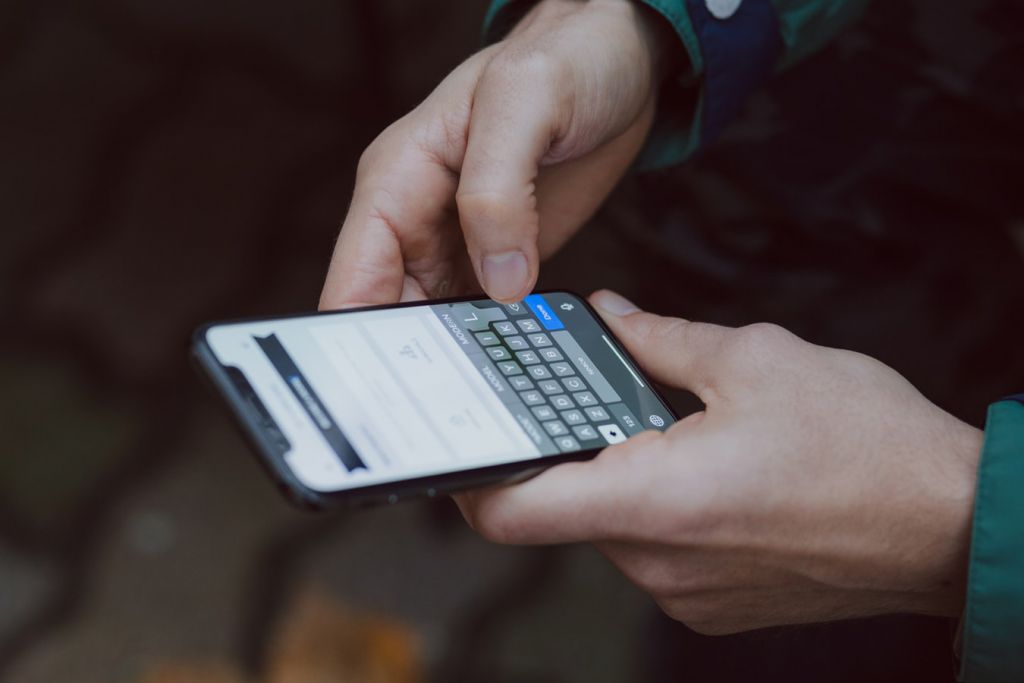
In many industries "the office" is a digital hub. Not in hospitality. "The office" is a bustling kitchen, a hotel lobby, or a bar and your frontline staff are the people who are providing customers with that all important customer experience… if they have everything needed to do their jobs effectively. To do that, you need a sure fire way of communicating effectively and engaging your employees. Our Future of Working report found that 55% of leaders in hospitality say disengagement is the primary driver behind staff departures. Because 50% of the UK’s frontline workforce is aged 16–24, traditional top-down communication (like emails or posters in the breakroom) simply doesn't land. To rank among the best, a hospitality intranet must bridge this divide by meeting Gen Z where they are: on their phones.
3 pillars of the best hospitality intranets
1. Frictionless onboarding, because first impressions count: The first 90 days
Research shows that 69% of employees are more likely to stay for three years if they have a great onboarding experience.
- The Problem: In a busy restaurant, a new hire is often thrown into a shift with a "shadow them and hope for the best" approach.
- The Solution: A digital "success hub" that delivers training videos, uniform policies, and rotas directly to a mobile app. By automating the "boring" paperwork, managers can focus on the human side of hospitality.
2. Targeted, real-time compliance to keep customers informed and safe (Best practice tips from Five Guys)
Five Guys uses their Oak-powered app, Chatty Patty, to solve a life-or-death challenge: Allergens.>"Having a tool that we're able to now message every single employee and say, 'Hey, there is a new Soy Allergen in our new milkshake' is massive... we've seen better results when it comes to our food safety scores and EcoSure visits." — Dale Brodie, Internal Comms Manager, Five Guys.
[embed]https://youtu.be/RAHUOgdeu1o[/embed]
The best intranets allow you to move from just sending out blanket comms to sending specific, important information to the right people. Targeted comms, push notifications and mandatory reads ensure every server on every shift knows exactly what has changed in the kitchen, ensuring both compliance and customer safety.
3. Generating and creating a culture that sticks in a "deskless" world
Building a cohesive culture can be difficult when staff work unsociable hours and rarely see the same teammates twice a week, but culture is important and it’s what makes people feel connected and stick around.
- Social connectivity: Features like social-style feeds with tik-tok style video content and community hubs allow a night-shift bartender in Leeds to share a "win" with a manager in London.
- Recognition: Peer-to-peer shoutouts (like Five Guys’ "Chatty Patty" rewards) turn a thankless shift into a celebrated moment, fostering a sense of belonging that keeps people from looking at the exit.
Main hospitality challenges for comms teams
No corporate work email
Did you know that 83% of frontline workers don’t have a company email? Considering that email remains the most used channel (with 64-72% of organisations relying on it) for business, how are you connecting with those without a company email? There is a huge risk here, important information doesn’t get relayed which can impact employee confidence and customer experience, and also leave your people feeling disconnected. The solution? Giving your staff a mobile app they can access anytime, anywhere — in the palm of their hand, as they would any other app. Simply log in via QR code and SMS sign on from a mobile device, no company email address needed.
Language barriers
The hospitality sector is one that thrives on connection at work, with other staff members and customers. Whether it’s connecting with guests in hotels, advising people about food and drink on the menu or managers giving staff the right information — being able to effectively understand and relay information is crucial for daily operations. People from across the globe power the hospitality industry, with around 60% of workers speaking English as their second language. With people naturally communicating and understanding language more comfortably in their mother tongue, giving your staff tools to receive content in their preferred language goes a long way for making people feel included, appreciated and ensures information is relayed in the best way possible for your people. That’s exactly why we created an employee engagement platform that makes comms as accessible for your people as possible, translating homepages, policies, news and blog content in up to 127 languages.
“Translations is just one of the features that will give our employees a voice and ensure our communications are truly accessible and inclusive. This will allow for seamless communication and collaboration across the organisation.” - Nick Hollis, Head of Engagement at Burger King
Too many communication channels
If staff have to check WhatsApp for the rota, an old PC for payslips, and a noticeboard for health & safety, they will check none of them. Your staff on the frontline have limited time, as Sacha, Internal Comms Manager at River Island told us in our Frontline Divide webinar:
“I think there is obviously an onus on the employee to make sure they're reading the relevant updates and getting all the information, et cetera. But as Jenny said, if you're not giving it to them in the right way, they've got 15 minutes, let's say a day to read that information. How do we get them the right information that they need to help them feel confident enough to then go out on that shop floor or go out on the front line and talk to the right people, give them the right information with confidence. Once you give them the right tools and equip them with the right information, they can go out and be confident and share what they know and not have that fear. And all of that is dependent on what culture you create, what morale, what environment are you creating to kind of build these people up? And it's so important. Communication is at the heart of that and is at the root of that.”
Clear, concise messaging and using the right technology to get the message to the right people is the key here, creating a single source of truth. An intranet can ensure employees read the right information with mandatory reads and push notifications, and analytics means comms professionals can determine preferred content styles and the way different segments consume content.
Shift schedules and information gaps
When news is shared via a back-office PC or a physical noticeboard, it rarely reaches the person who needs it mid-shift. If you have important updates, like a change in the evening’s specials or an urgent health and safety alert, you need a way to bridge that gap instantly. The Solution: Real-time updates and push notifications The best hospitality intranets turn a passive news feed into an active broadcast system.
- Instant reach: Instead of hoping staff check their emails before a shift, push notifications deliver critical updates directly to their lock screens.
- Mandatory reads: For high-stakes information like revised hygiene protocols or liquor license changes, "mandatory read" features require staff to acknowledge they’ve seen the update.
Closing the loop: Comms professionals can use real-time analytics to see exactly who has read the message and who hasn’t. This ensures that no matter how fast-paced the shift gets, no one is left in the dark, and every team member has the confidence to provide a safe, informed guest experience.
Best intranet software for the hospitality sector
RankIntranet SoftwareBest ForG2 ScoreSupport RatingKey Strength for Hospitality1 Oak Engage Hybrid/frontline 4.5 / 5 97% Mobile-first reach & instant translation (127 languages). 2 Unily Global enterprise 4.4 / 5 89% Scalability for massive hotel chains. 3 LumApps Multilingual teams 4.3 / 5 87% Deep personalization for global brands. 4 Staffbase Branded comms 4.6 / 5 92% High-impact branded mobile app for Gen Z. 5 Workvivo Social engagement 4.8 / 5 95% Social-style feeds that build "big family" culture. 6 Interact Compliance 4.6 / 5 90% Strong governance for H&S and food safety. 7 Igloo Process/workflows 4.2 / 5 85% Good for structured operational manuals. 8 MangoApps All-in-one 4.2 / 5 91% Broad toolkit (files, chat, intranet). 9 Haiilo Advocacy/comms 4.6 / 5 93% Easy mobile use & content scheduling. 10 Happeo Google workspace 4.5 / 5 93% Fast search for teams using Google Drive. 11 Simpplr Polished UX 4.7 / 5 94% Very intuitive interface for quick adoption. 12 Jostle Simple culture 4.4 / 5 91% Easy "people" directory for new hires. 13 SharePoint Doc management 4.0 / 5 N/A Centralised storage for HR policies. 14 Firstup Targeted comms 4.4 / 5 88% Reach employees without company emails. 15 Confluence Documentation 4.1 / 5 N/A Technical recipe & procedure storage. 16 Zendesk Knowledge base 4.3 / 5 86% Simple "help center" for staff FAQs. 17 Blink Quick updates 4.6 / 5 92% Real-time messaging for shift workers.
How does an intranet benefit hospitality businesses?
When selecting a hospitality intranet, look for these five "non-negotiables":
- Segmented communications: The ability to "push" messages based on role, location, or department.
- Integrations with your most used tools: Sync with your existing Rota (WFM) and Payroll systems so staff can check their pay and shifts in one place.
- Mobile-first access: A native mobile app experience that works on personal devices without a VPN.
- Peer shout outs: A "shout-out" feature that allows colleagues to show recognition and thank each other publicly, boosting morale instantly.
- Real-time analytics: In-depth analytics that give your granular insights into who is reading what, allowing you to pivot your strategy in hours, not months.
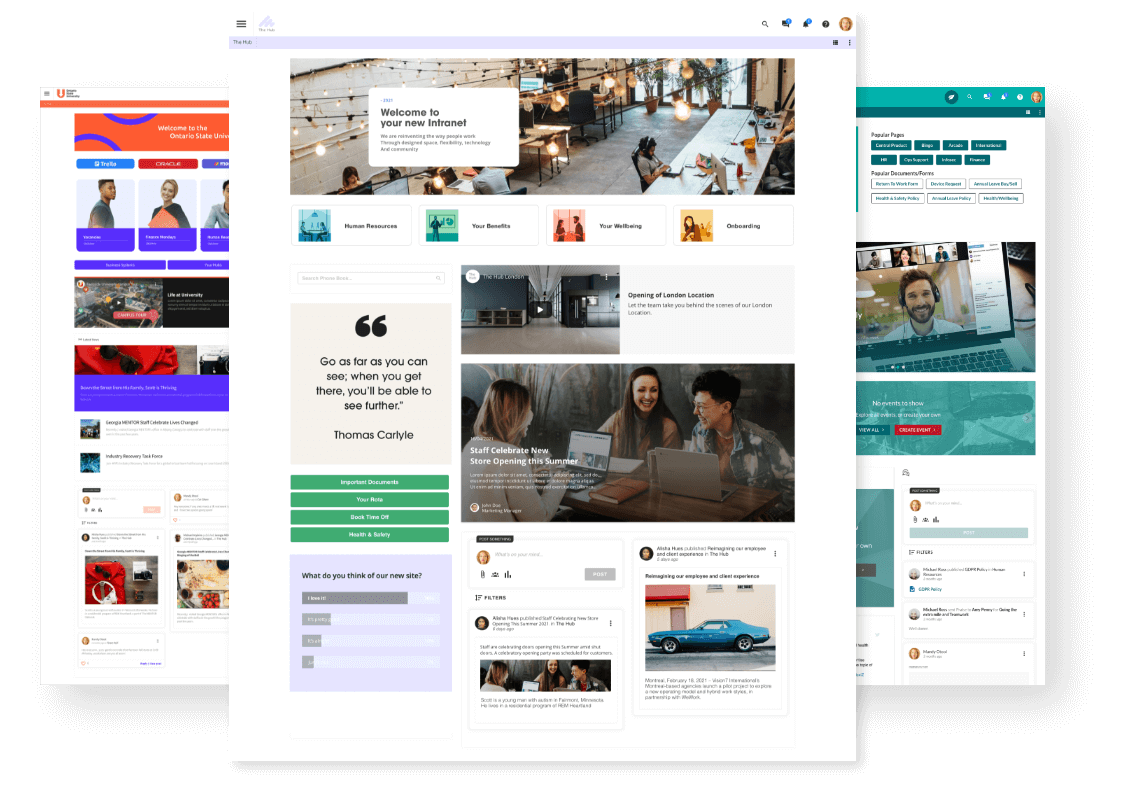
Conclusion: Creating a safe, connected, engaged, high performing workplace
As Bastian Bauermeister of Five Guys puts it:
"One of our values is that we're a big family... Chatty Patty has given employees a platform where they can really express themselves."
Technology has always enabled people to connect, and in 2026, the best hospitality intranet should complement the way your people actually work, giving them everything they need to do their jobs effectively, whilst still respecting their limited time.

